
Understanding PPC and SEO Marketing: Key Differences and Strategies
Free Guide:
6 Levels of Marketing Measurement Maturity
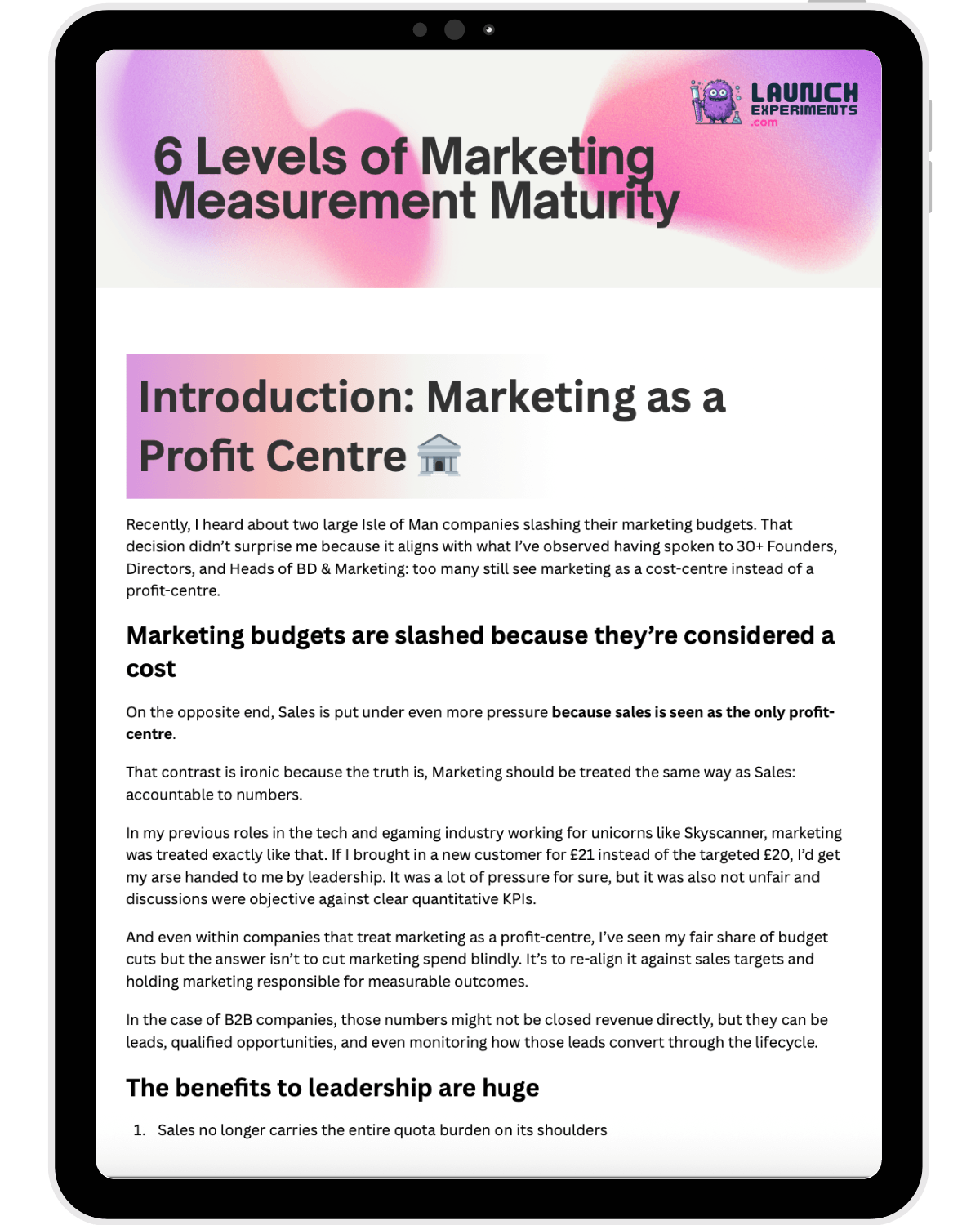
See where your business stands — and how to level up your tracking and ROI measurement.

Introduction
Hey there! If you're searching for "Understanding PPC and SEO Marketing: Key Differences and Strategies," you're likely a business owner or marketer wanting to boost your online presence without getting lost in jargon. Let's cut to the chase right away.
Quick Answer: PPC and SEO marketing are two powerhouse approaches in digital marketing. PPC (Pay-Per-Click) is like renting a fast lane – you pay for quick clicks and traffic from paid ads on Google or social media. Search engine optimization (SEO) is building your own road – it's free organic traffic that grows over time by making your site search-friendly. Key differences: PPC gives instant results but costs money per click; SEO takes longer but offers lasting value. Strategies? For PPC, target keywords and track ads. For SEO, create great content and build links. Combine them for the best results – more on that below.
Now, let's dive in deeper. We'll keep things simple, chatty, and easy to skim. I'll use short bits of text, lists, and tips tailored for folks in the UK, where online shopping and local searches are booming. Whether you're comparing SEO vs PPC or building a comprehensive marketing strategy, this guide covers it.
What Is Digital Marketing? A Simple Start
Digital marketing is all about promoting your stuff online. It uses tools like search engines, social media, and emails to reach people.
Why care? In the UK, over 90% of folks start their buys with a Google search. It helps you sell more, build fans, and beat rivals.
Key parts include search engine optimization and PPC advertising – the stars of this show in search marketing.
SEO Basics: Grow Traffic for Free Over Time
What Is SEO?
Search engine optimization (SEO) means making your website's visibility higher in search engine results pages (SERPs) without paying for ads. Think Google or Bing as the main search engines.
You tweak your site's content, structure, and code so search engines work better for you. This brings "organic search" visitors who find you naturally in search results.
SEO focuses on understanding search intent – what people really want when they type search queries.
Why SEO Matters for Your Business
SEO is crucial for businesses aiming to drive traffic and establish a strong online visibility. It leads to more organic traffic and better organic search rankings.
A well-optimized site improves user experience, boosts engagement, and drives conversions.
SEO helps build credibility with valuable content that matches what users seek in organic search results.
It's a cost-effective long-term strategy compared to paid advertising, delivering ongoing SEO results without constant ad spend.
SEO can keep you ahead by adapting to search engine algorithms and improving your reputation.
Top SEO Strategies to Try
On-Page SEO: Fix Your Site Inside
On-page SEO involves optimizing pages on your site for better search engine results.
Do keyword research to find relevant keywords and valuable keywords people use.
Write catchy titles, meta descriptions, and headings.
Optimize website's content, images, and internal links.
Ensure mobile-friendliness and fast loads.
Include technical SEO like clean code and schema markup.
Tip: Use Google Analytics to track SEO performance and refine your SEO efforts.
Off-Page SEO: Build Links Outside
Off-page SEO boosts your site's authority through external factors.
Focus on link building from reputable sites.
Use social media marketing to share content.
Optimize business listings on directories.
This helps with organic rankings and establishes you as a thought leader.
Local SEO is key for UK businesses targeting nearby customers.
Optimize for "near me" search queries.
Claim Google Business Profile and get reviews.
Create location-specific content.
It drives qualified traffic to your door and improves local search engine results.
Measuring SEO Success
Use Google Analytics to monitor organic traffic, bounce rates, and conversions. SEO requires ongoing tweaks, as it's a long-term strategy. Watch for changes in search engine algorithms that could affect your SEO campaign.
PPC Basics: Pay for Quick Wins
What Is PPC?
Pay-per-click (PPC) is a model where PPC involves paying for each click on your ads.
PPC ads appear on search engines, social media, and other PPC platforms.
The goal? Drive immediate traffic and conversions by targeting specific keywords.
PPC offers precise targeting and measurable ROI, making it popular in PPC marketing.
Why PPC Rocks for Quick Results
Need immediate visibility? PPC delivers fast paid search results.
In the UK, Google Ads is huge for paid search, with billions in ad spend yearly.
It targets exact audiences, like "buy trainers UK," for qualified traffic.
Unlike SEO, PPC gives quick boosts but watch for ad fatigue if ads run too long.
Top PPC Strategies
Google Ads: The Big Player
Google Ads lets you create PPC campaigns on Google Search.
Use keyword targeting for competitive keywords.
Target demographics, locations, or interests.
Track metrics like click-through rates and cost per click.
Tip: Optimize to lower ad spend and improve PPC success.
Other PPC Platforms
Facebook for visual paid ads.
Microsoft Ads for cheaper reaches on Bing.
Bidding and Budget Tips
Start with a PPC strategy: Bid on keywords, test ads, and use A/B testing.
Use PPC data to inform SEO strategies later.
UK tip: Schedule for peak times to boost brand awareness.
Key Differences Between PPC and SEO
Let's compare SEO and PPC head-to-head in a simple table:
| Aspect | SEO | PPC |
|---|---|---|
| Cost | Free organic traffic, but time/effort | Pay per click, quick setup |
| Speed | Slow build-up (months) | Immediate traffic |
| Longevity | Lasts if maintained | Stops when budget ends |
| Targeting | Broad, content-based | Precise, like location/age |
| Risk | Algorithm changes | Overspend or ad fatigue |
| Focus | Organic results and rankings | Paid search results |
Main takeaway: SEO vs PPC – one for endurance, one for speed. Both SEO and PPC can drive traffic effectively.
When to Use Each – And How to Combine Them
Use an SEO strategy for steady growth, like content marketing to attract organic search.
PPC for launches or testing valuable keywords.
Best? Combining SEO and PPC in a digital marketing strategy. Use PPC data to guide keyword research and inform SEO strategies.
Case study: A UK shop used both SEO and PPC – PPC for holiday rushes, SEO for year-round. Sales soared 40%.
This creates a comprehensive marketing strategy for better online visibility.
Common Mistakes to Avoid
Ignoring mobile in technical SEO.
Keyword stuffing in website's content.
No tracking with Google Analytics.
Set-it-and-forget-it for PPC campaigns.
Not aligning with search intent.
AI helps with keyword research and ad optimization.
Voice search is rising: Optimize for natural search queries.
UK privacy laws like GDPR affect targeting.
Sustainability: Green themes can improve organic rankings.
Tools to Get Started
Free:
Google Analytics and Search Console for SEO performance.
Google Ads Keyword Planner for PPC.
Paid: Ahrefs or SEMrush for deeper insights (try trials).
FAQs: Your PPC Questions Sorted
Which is better for my business – PPC or SEO?
It depends on your goals and timeline.
PPC (Pay-Per-Click) works best if you need instant visibility, such as launching a new product, testing markets, or driving quick sales. You pay for each click, but you get results fast.
SEO (Search Engine Optimization) is ideal for long-term growth. It builds your website’s authority, earns free organic traffic, and compounds over time — but it takes patience.
Pro tip: For most UK businesses, the winning formula is a hybrid strategy: use PPC to attract immediate traffic while SEO builds lasting visibility in the background.
How much should I spend on PPC vs SEO?
There’s no one-size-fits-all budget, but here’s a guide:
PPC: Many small businesses start around £1,000–£3,000 per month. Your budget depends on your industry, competition, and cost-per-click.
SEO: You’re investing more time and consistency. Expect to spend £500–£2,000+ monthly with an SEO agency or expert, depending on your goals.
Think of PPC as a tap — you can turn it on or off — while SEO is more like planting seeds that grow into long-term visibility. A balanced split often gives the best ROI.
Can PPC and SEO really work together?
Absolutely — they’re stronger as a team.
Here’s how:
Use PPC keyword data to discover which search terms convert best, then build SEO content around them.
Run PPC ads for high-value but competitive keywords while your SEO content climbs the rankings.
Test ad copy in PPC, and use the best-performing headlines in your blog titles or meta descriptions.
This data-sharing loop means you’re not guessing — you’re continuously improving your entire digital marketing strategy.
How long does it take to see results from SEO and PPC?
PPC: You can see traffic within a few hours or days once your campaign goes live. But expect 2–4 weeks of testing and optimisation before performance stabilises.
SEO: It’s a slow burn — typically 3–6 months before you notice significant improvements in rankings and traffic. The good news? SEO results often last long after the work is done, unlike PPC, which stops the moment you pause your ads.
Consistency is key. Keep tracking, testing, and tweaking both channels for sustainable growth.
What are the biggest mistakes to avoid in PPC and SEO marketing?
Great question — even experienced marketers slip up here.
For SEO:
Keyword stuffing instead of focusing on user intent.
Ignoring mobile optimisation or slow site speed.
Forgetting to update or refresh content.
For PPC:
Running campaigns without conversion tracking.
Using broad keywords that waste ad spend.
Not testing ad variations (A/B testing is a must).
Bonus tip: Don’t treat PPC and SEO as “set and forget.” Both need ongoing attention — analyse your data regularly and adjust your strategy based on performance.
Did you like this article?
Spread the word!



Categories
Solutions
Fuel your growth with smarter experiments.
Launch, test, and scale with confidence.
The insights you need to turn ideas into measurable results.

