
Understanding Paid, Owned, and Earned Media for Your Digital Marketing Strategy
Free Guide:
6 Levels of Marketing Measurement Maturity
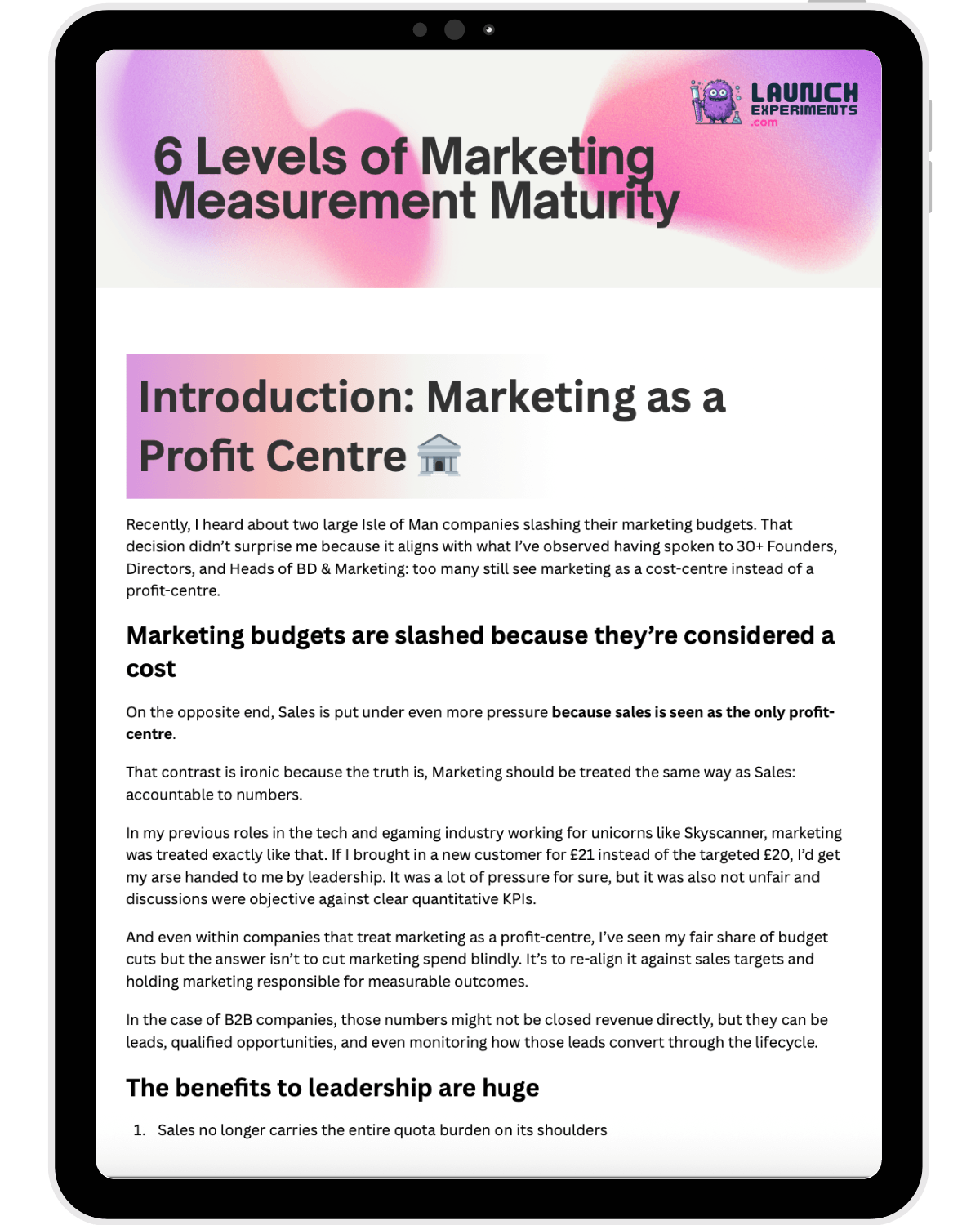
See where your business stands — and how to level up your tracking and ROI measurement.

Introduction
Hello, UK marketers! Searching for understanding paid owned and earned media? You're in the right place to master these core pillars of a digital marketing strategy. In a nutshell: paid media is advertising you buy, like social media ads or search engine advertising; owned media is what you control, such as your social media accounts or website; and earned media is free buzz from media coverage or social media mentions. Together, these media types power your marketing strategy to increase brand awareness and drive customer acquisition. With UK digital ad spend hitting £9.95 billion in 2025, let’s explore how to leverage paid owned and earned media effectively.
What Is Paid Media?
Paid media is when you spend money to get your brand message out there. It’s like renting space on social media platforms or search engines to reach a broader audience. Think paid ads—fast, targeted, and effective.
Examples include social media advertising on platforms like Instagram or Google Ads for paid search. You might run sponsored content on TikTok or display advertising on news sites.
In the UK, paid media budget is soaring, with social ad spend growing by 14% in 2025. Why? It delivers quick website traffic.
Pros: You have complete control over targeting your target audience, like London-based Gen Z shoppers. Tools like Google Analytics track performance.
Cons: It costs money. Stop paying, and the reach vanishes.
Use paid promotion for launches or sales, like Boxing Day deals for UK retailers.
It’s a key part of a comprehensive media strategy, boosting marketing efforts instantly.
Popular forms include native advertising and targeted ads tailored to your target market.
Big brands like Tesco use paid advertising to drive clicks to their online stores.
Integrate with owned and earned media for maximum impact.
Why Paid Media Matters
Paid media grabs attention in a crowded online marketing space. It’s perfect for marketing campaigns needing instant visibility.
You control the media content. Craft ads that resonate with your brand stories.
It’s measurable. Track media performance like click-through rates via Google Analytics.
In 2025, UK businesses see 250% ROI on social media ads. That’s huge for paid efforts.
Use paid search to rank for keywords like “best coffee in Manchester”.
Combine with owned media strategy to guide traffic to your own platforms.
It’s not unlike paid alternatives—it’s direct and scalable.
Small businesses can start with low budgets on social platforms.
Monitor paid media performance to optimize spend.
Paid is the spark for your digital marketing fire.
What Is Owned Media?
Owned media is your playground. It’s the media channels you control, like your website, blog articles, or social media presence.
Owned media refers to platforms where you share owned content—think social media posts or email marketing campaigns.
It’s cost-effective after setup. You have complete control over the brand message.
Examples: Your social media accounts on X or LinkedIn, or newsletters to subscribers.
In 2025, UK firms allocate big budgets to owned channels. Why? It builds long-term brand loyalty.
Pros: Free to maintain. Shapes your brand stories authentically.
Cons: Takes time to grow user engagement. Needs content distribution.
UK giants like BBC use their sites as owned media hubs, driving millions in traffic.
Optimize for SEO. Target phrases like “sustainable fashion UK” in blog articles.
Owned media strategy fosters social media engagement with regular posts.
It’s the backbone of paid owned and earned strategies.
Why Owned Media Is Crucial
Owned media lets you engage directly with your target audience. No middleman.
It’s considered owned media because you dictate the tone, like friendly British banter.
Use it for content marketing. Share guides or videos on your own platforms.
Builds trust over time. Customers return to familiar social media channels.
In 2025, Brits spend 1h37m daily on social media. Your social media presence must shine.
Owned content like blog articles boosts SEO rankings.
Amplify with paid ads to reach a broader audience.
Encourage social media engagement with polls or Q&As.
It’s a platform for consistent messaging across all marketing channels.
Track via Google Analytics for insights on website traffic.
What Is Earned Media?
Earned media is the buzz you don’t pay for. It’s media coverage or social media mentions from fans, influencers, or press.
Think customer reviews on Trustpilot or viral posts on X. It’s word-of-mouth online.
In 2025, 92% of consumers trust earned media over traditional advertising. That’s massive for UK brands.
It’s authentic. Potential customers believe peers over ads.
Examples: A feature in The Guardian or a TikTok shout-out.
Pros: Free and credible. Boosts brand loyalty.
Cons: Low control. Negative media coverage can hurt.
Earned boosts SEO with backlinks from media outlets.
In the UK, social media mentions drive engagement for brands like Boots.
Aim for earned media performance by creating shareable content.
It’s the cherry on top of paid owned and earned strategies.
Why Earned Media Drives Trust
Earned media feels genuine. It’s not forced like paid advertising.
Customers share because they love you. That’s gold for potential customers.
In 2025, earned media performance can yield 18x ROI via EMV.
Press releases or influencer posts spark organic buzz.
UK audiences trust local voices, like bloggers in Leeds.
Encourage user engagement with contests or hashtags.
It amplifies owned and earned media efforts.
Track mentions with tools like Brandwatch.
Negative social media mentions? Respond fast and kindly.
Builds long-term brand loyalty in a skeptical market.
Understanding media types is key to a comprehensive media strategy.
Paid media: You buy reach. Fast, controlled, costly.
Owned media: You build it. Steady, free, time-intensive.
Earned media: Others share. Trustworthy, unpredictable.
Here’s a clear breakdown:
Paid owned and earned work best together.
Paid and owned media start the conversation; earned spreads it.
UK stats show balanced media channels drive customer acquisition.
Use paid owned to control, owned and earned to engage.
A comprehensive media strategy blends all three for synergy. It’s the POEM framework: Paid, Owned, Earned Media.
Paid media attracts a broader audience via social media ads.
Owned media engages with social media posts or blog articles.
Earned media builds trust through social media mentions.
In 2025, UK social media advertising spend hits £9.02 billion.
This mix maximizes increase brand awareness.
It covers the funnel: Awareness, engagement, conversion.
Small UK businesses, like a Bristol bakery, use paid ads to drive clicks, owned channels to inform, and earned media for buzz.
ROI soars with balance. Paid efforts yield 250% returns.
Consistent messaging across media channels is key.
Without all three, you miss potential customers.
Crafting a media strategy starts with knowing your target audience.
Define goals: Increase brand awareness? Boost sales?
Map the journey. Paid media for top, owned for middle, earned for bottom.
Create a content marketing plan. Schedule social media posts.
In 2025, UK CMOs prioritize digital marketing channels.
Use social platforms like X for real-time user engagement.
Budget wisely. Allocate across paid owned and earned.
Test ads with A/B splits. Optimize paid media budget.
Integrate PR services for earned media boosts.
Track with Google Analytics for media performance.
Content marketing fuels all media types.
For paid media: Craft snappy sponsored content. Use bold visuals.
Owned media: Write SEO-rich blog articles. Target “best pubs in London”.
Earned media: Create shareable videos or infographics.
Optimize for search engine rankings with tools like SEMrush.
In 2025, 78% of UK consumers prefer video media content.
Amplify owned content with paid promotion.
Encourage social media engagement with polls or giveaways.
Content distribution ensures your brand message reaches far.
Use consistent messaging—cheeky, British, relatable.
Track user engagement via likes and shares.
Influencer Partnerships: Supercharging Earned Media
Influencer partnerships are a top earned media tactic.
Find UK influencer marketing stars in your niche, like food vloggers.
In 2025, the UK influencer market grows fast.
Pay for posts? That’s paid media. Free products? Pure earned.
Share their media content on your own platforms.
Track earned media performance via new followers or sales.
Follow UK ASA rules for transparency in influencer marketing.
Build long-term ties for brand loyalty.
Amplify with social media advertising for bigger reach.
Measure EMV for marketing campaign success.
Tracking media performance is vital for marketing efforts.
For paid media: Measure ROAS. UK average is £5.28 per £1 spent.
Use Google Analytics for website traffic and conversions.
Owned media: Monitor social media engagement—likes, comments.
Earned media: Count social media mentions with Brandwatch.
Set KPIs for each media type.
In 2025, AI tools enhance media performance tracking.
Avoid single-channel focus. Use multi-touch attribution.
Review monthly. Tweak paid media budget as needed.
Celebrate wins, like viral earned media.
Data drives smarter digital marketing strategy.
Common Mistakes in Paid, Owned, and Earned Media
Don’t overspend on paid advertising. Balance is key.
Ignoring mobile? Bad move. Most Brits browse on phones.
Spammy paid ads annoy your target audience.
Neglecting SEO hurts owned media strategy.
Chasing viral earned media blindly risks flops.
Forgetting GDPR in online marketing invites fines.
Siloed teams weaken comprehensive media strategy.
Skipping A/B tests limits paid efforts.
Ignoring negative social media mentions harms trust.
Tailor to UK culture for better user engagement.
Real-World UK Examples
ASOS blends paid owned and earned. Google Ads drive clicks, website engages, user posts earn buzz.
Greggs nails earned media with viral social media posts about sausage rolls.
Tesco uses paid search for groceries, owned channels like apps, and earned media via community tags.
Boots leverages influencer partnerships for earned media, emails for owned, and social media ads for paid.
Lessons: Be relatable. Tap into UK trends like Veganuary.
In 2025, eco-focused brand stories resonate.
AI is reshaping digital marketing. It optimizes paid media budget by 32%.
Privacy laws like GDPR demand careful content distribution.
TikTok dominates social platforms. Short videos rule.
Voice search grows. Optimize owned media for it.
AR in paid advertising—think virtual try-ons.
Web3 sparks community-driven earned media.
Sustainability trends boost brand loyalty in the UK.
Global ad spend hits $276.7 billion, with UK leading innovation.
Stay agile to win.
Wrapping It Up
Mastering paid owned and earned media is your key to a killer digital marketing strategy. Blend paid ads, owned content, and earned media for increase brand awareness and customer acquisition. Start small, track with Google Analytics, and adapt. Got questions? Check the FAQs below for more!
FAQs
What is the main difference between paid and earned media?
Paid media involves buying space for social media ads or search engine advertising to reach your target audience, offering complete control but costing money. Earned media comes from organic social media mentions or media coverage, like reviews on Trustpilot, building trust as 92% of consumers prefer it over traditional advertising. Paid is fast but less authentic; earned is free but unpredictable. For UK brands, use paid promotion to spark interest and encourage earned media performance with great service to drive brand loyalty and customer acquisition.
How can small UK businesses leverage owned media effectively?
Small businesses can use owned media like social media accounts and blog articles to build a social media presence without big budgets. Create owned content with tools like Canva and optimize for search engine rankings using keywords like “local café Bristol”. In 2025, Brits spend 1h37m on social platforms, so regular social media posts boost user engagement. Email marketing fosters brand loyalty. Track website traffic with Google Analytics to refine your owned media strategy, ensuring cost-effective marketing efforts.
Why is measuring ROI important for paid media in 2025?
Measuring ROI for paid media ensures your paid media budget delivers, with UK social media advertising spend at £9.02 billion. It pinpoints top marketing campaigns, like those with 250% ROI. Use Google Analytics to track conversions. GDPR compliance avoids fines while optimizing targeted ads. ROI justifies paid efforts to stakeholders, showing sales lifts. In 2025, multi-touch attribution credits all media channels, ensuring a comprehensive media strategy drives sustainable online marketing growth.
How does earned media contribute to brand trust?
Earned media builds trust through authentic social media mentions and media coverage, like influencer posts or reviews. In 2025, 92% trust it over paid advertising, making it key for UK potential customers. Its earned media performance can yield 18x ROI via EMV. Encourage it with shareable media content or PR services. Local media like The Guardian boosts credibility. This fosters brand loyalty, turning fans into advocates in competitive marketing channels.
What role does AI play in paid, owned, and earned media strategies?
AI transforms digital marketing by optimizing paid media bids, saving 32% on costs. For owned media, it generates blog articles or powers chatbots for social media engagement. In earned media, it tracks social media mentions and predicts trends. In 2025, AI ensures GDPR-compliant content distribution while personalizing targeted ads. Tools like ChatGPT speed up content marketing, but human oversight keeps brand stories authentic. AI enhances media performance across paid owned and earned for UK marketing strategies.
Did you like this article?
Spread the word!



Launch © Experiments 2025. All Rights Reserved.
Company
Categories
Solutions
Fuel your growth with smarter experiments.
Launch, test, and scale with confidence.
The insights you need to turn ideas into measurable results.

